
Performance Diesel Intercoolers Australia | 4WD Performance Parts
Discount added at checkout
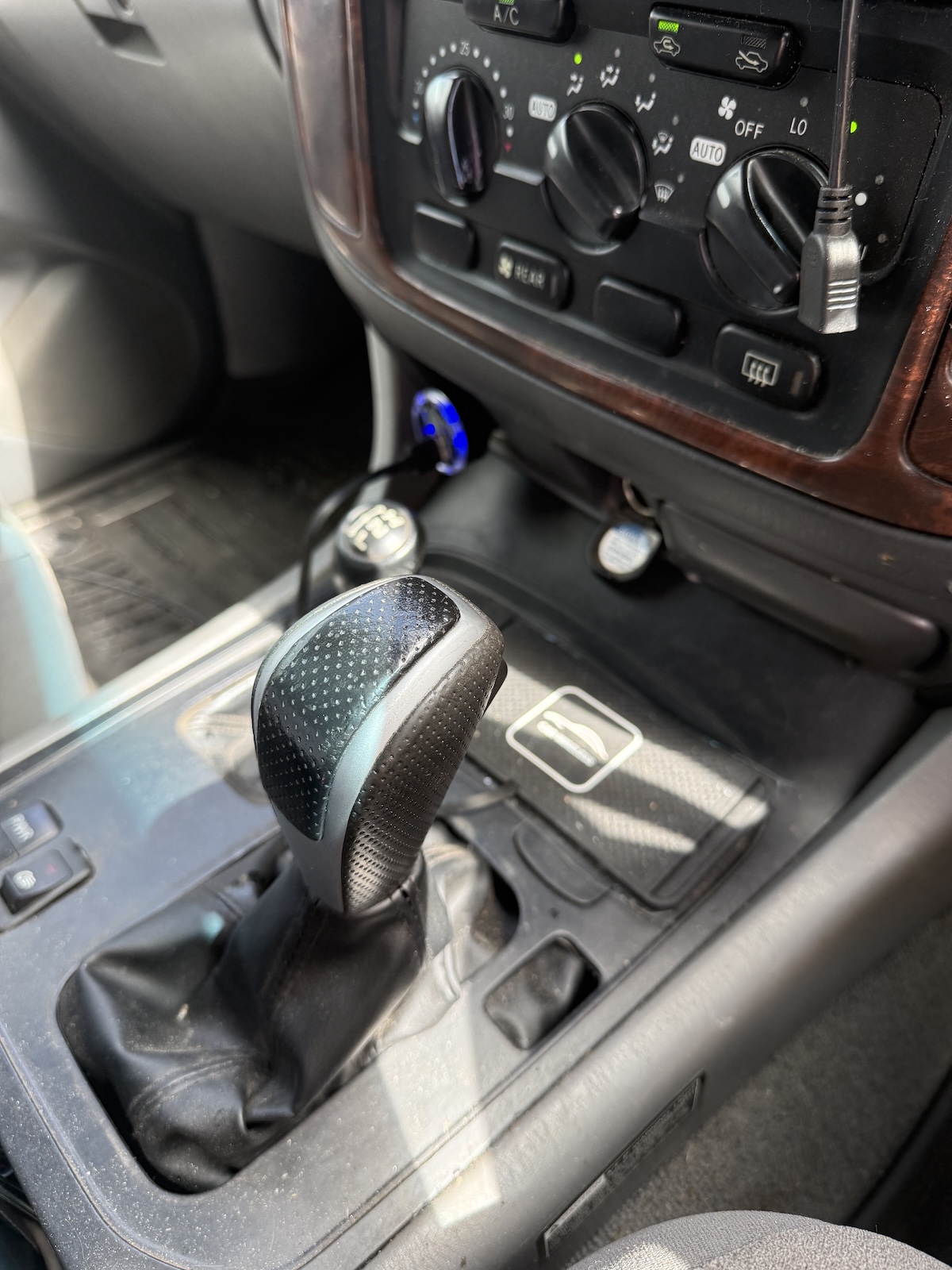
$15,600.00 incl. GST
Why go auto?
In Landcruiser’s, we want to know the gearbox can handle the power. The Toyota 4 and 5 speed are not strong enough for those who want to get some significant upgrades. The manual starts breaking around 400hp, clutches are expensive and don’t always handle the torque either.
Gearbox Top Ratio Relative RPM
H151 0.881 2350
H152 0.75 2000
6R80 0.69 1840
What is the 6R80?
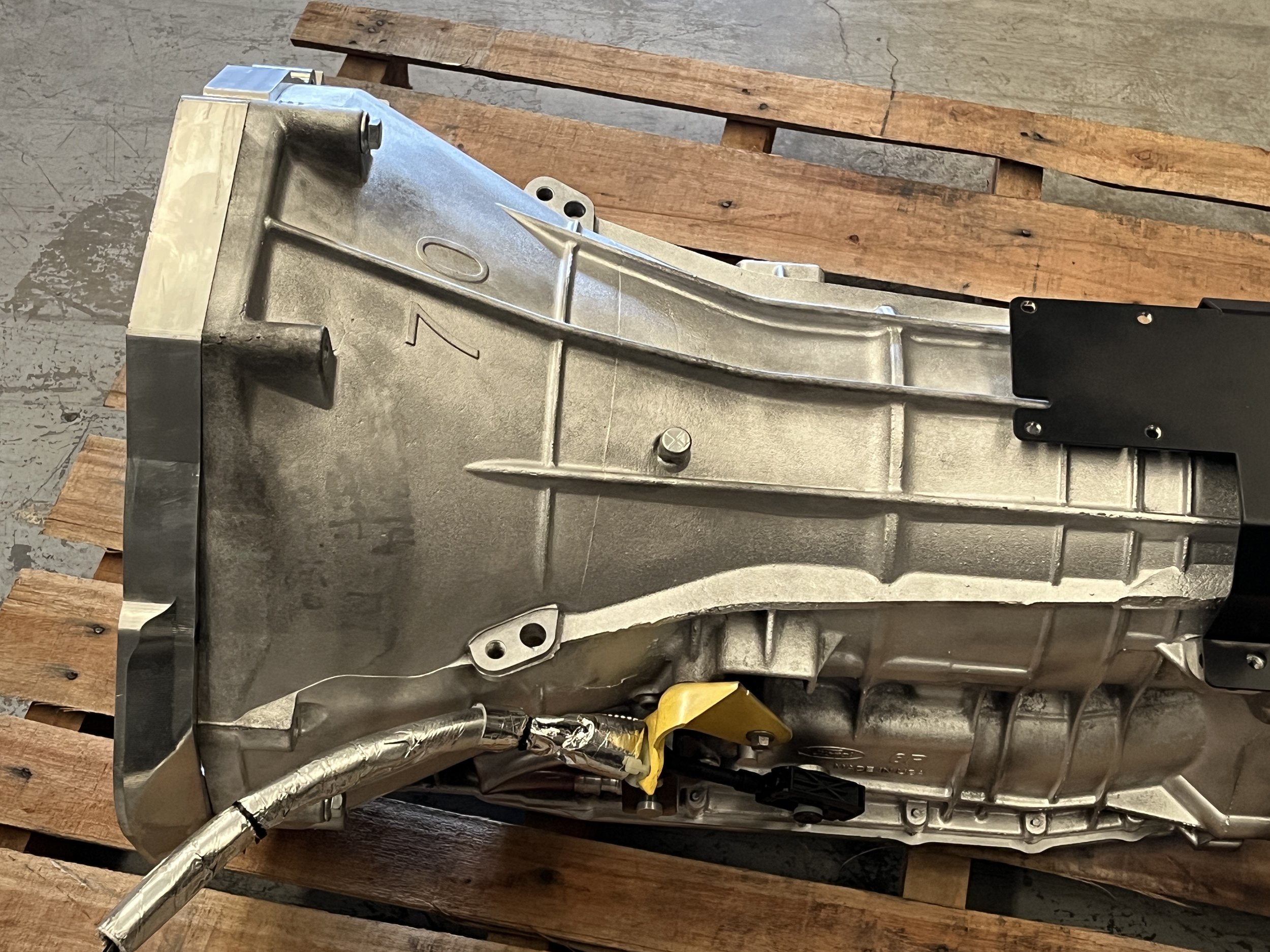
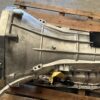
The US produced Ford 6R80 transmission is based on the robust ZF 6HP26 design, which was used by automakers world wide for over 14 years. Enhancements were added by Ford to further improve the transmission, including the addition of a ratchet style low one way clutch, and removal of the internal TCU for the 2011 model year, easily enabling stand alone control. The 6R80 has already been field proven to accept up to 1000HP in stock form, with only ECU tuning. With aftermarket components, the 6R80 has been proven to handle much more power.
Why we like the 6R80?
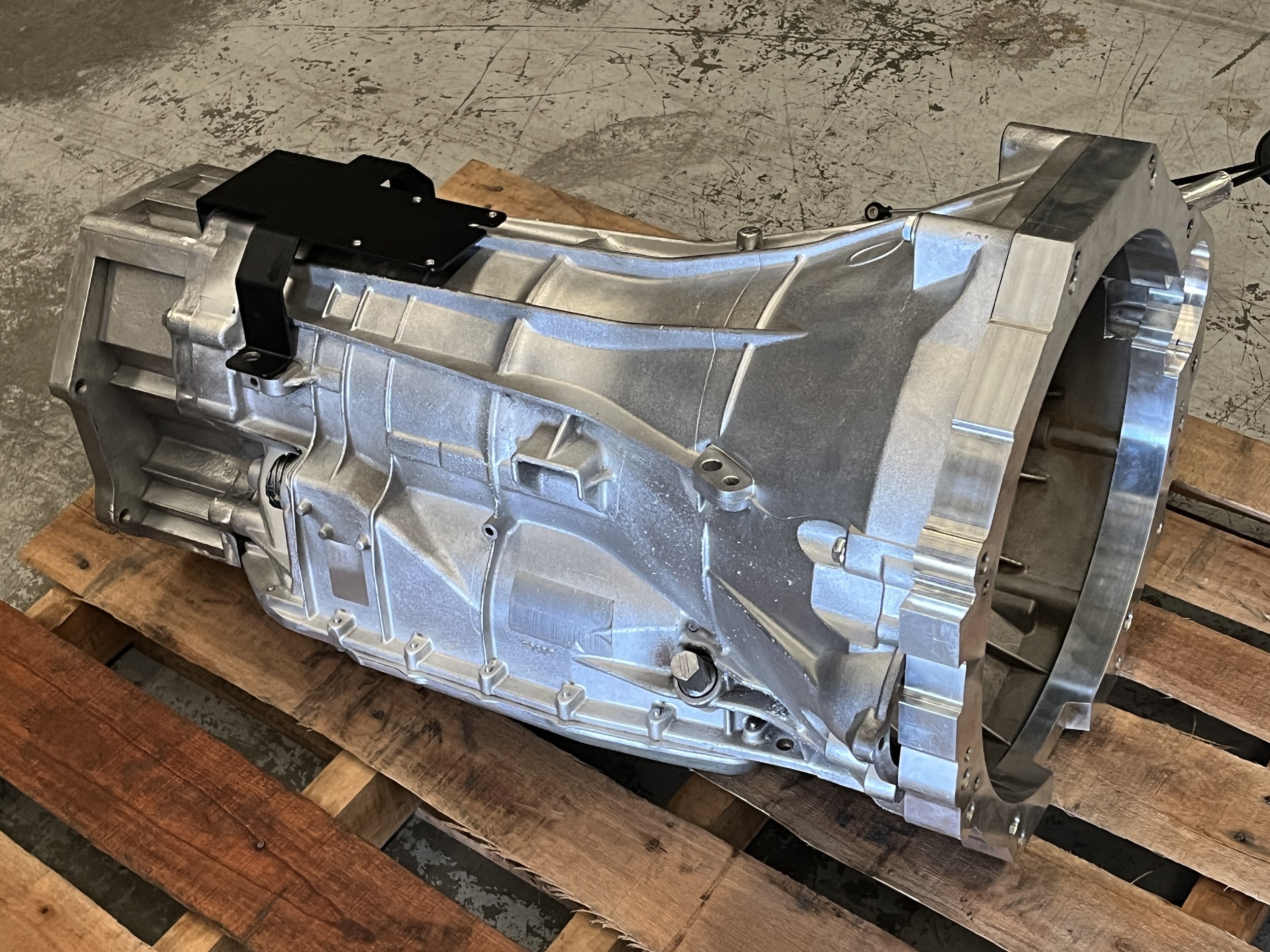
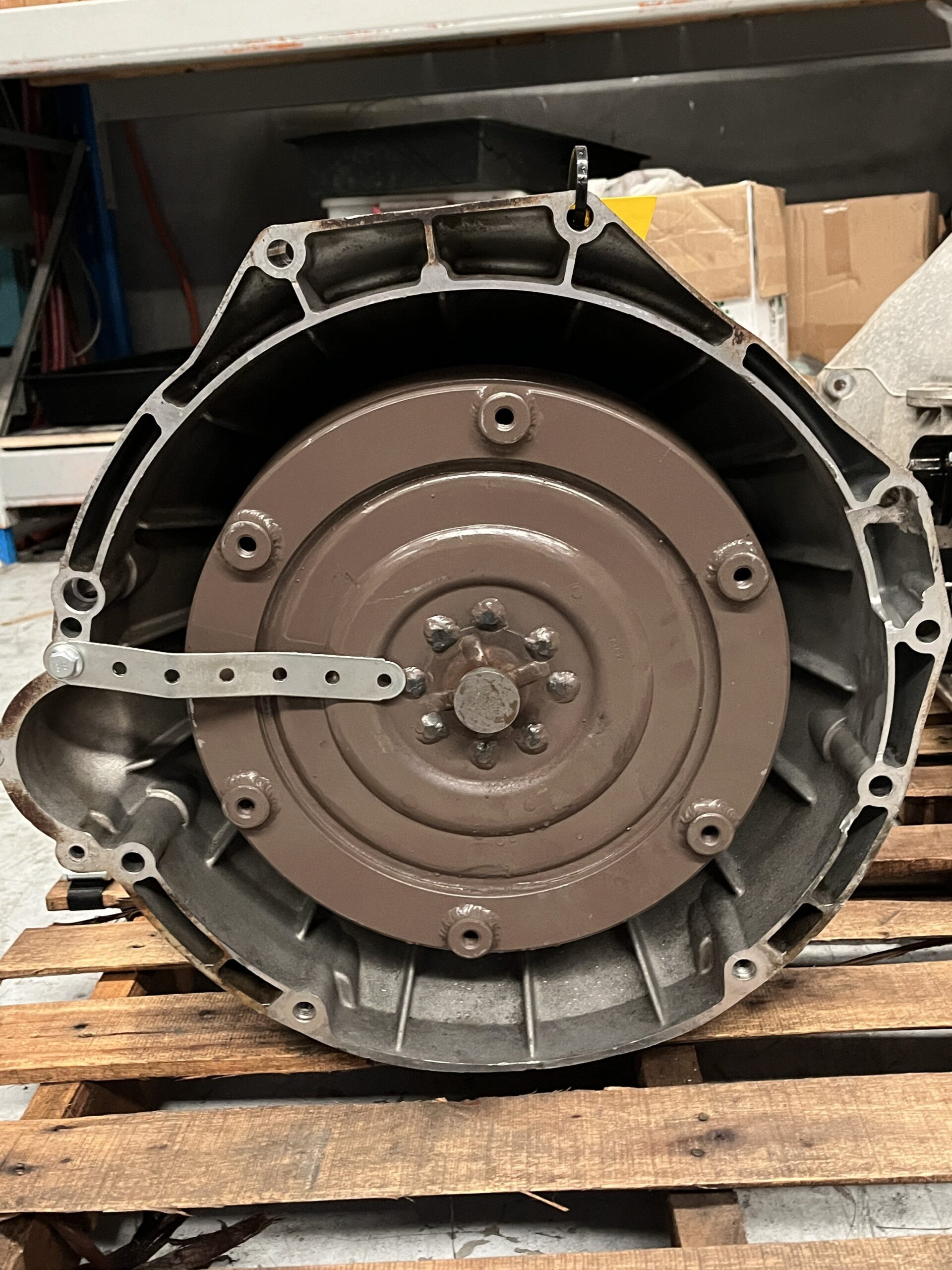
PDI have chosen to go with the F150 6R80 box, with the Coyote bellhousing pattern due to the larger torque converter and neater installation, which allows for a relatively narrow adapter to the engine. This is known to be a reliable box in the USA where it was fitted to the F150, Expedition and Ford Mustang. In Australia is was released in the Ford Ranger and Everest. Ford Australia chose to couple it with an inferior torque converter, resulting in gearbox failure and therefore many auto transmission shops are aware of these boxes. Performance shops in Australia focusing on the XR6 turbo Barra engines know the 6HP26 can handle a hiding but if you want to make it stronger then going into the 6R80 parts bin is a good idea.
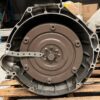
The F150 gearbox also comes with a solid torque converter. Stock converters already employ a multi plate torque converter clutch, enabling greater power handling in lockup. We have had the internal bushing replaced with a bearing for our boxes while the converter is being inspected.
Transfer case adapter.
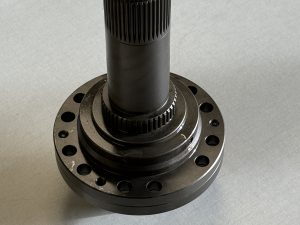
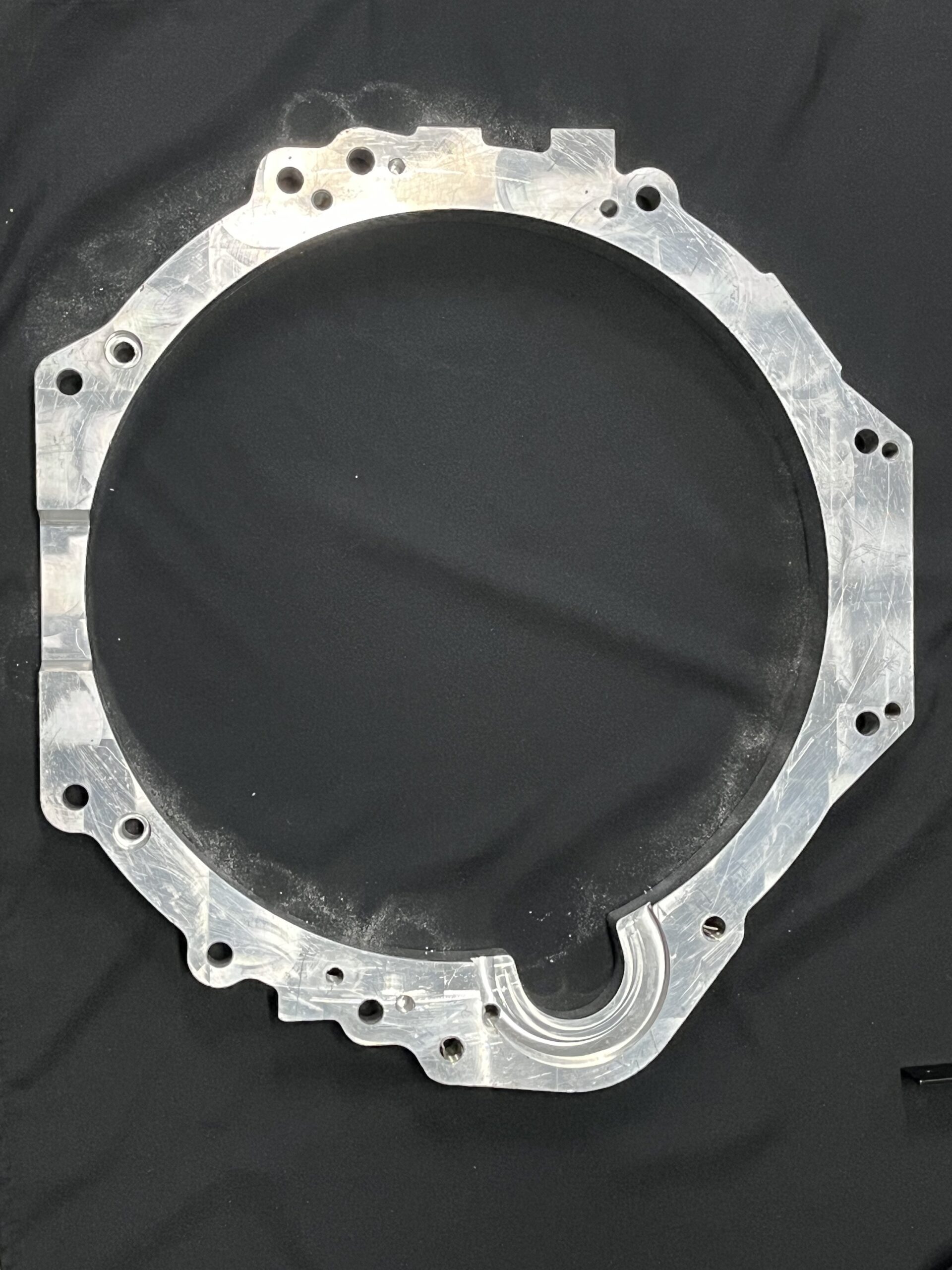
We have a machined cast alloy adapter and spline adapter. This is so that a standard transfer case will work and not need a custom input shaft. This is possible since the Coyote bell housing is large (for a bigger torque converter and means and thinner adapter to engine. The gearbox mount is attached to the adapter normally to the gearbox itself.
Quick6 Stand Alone controller
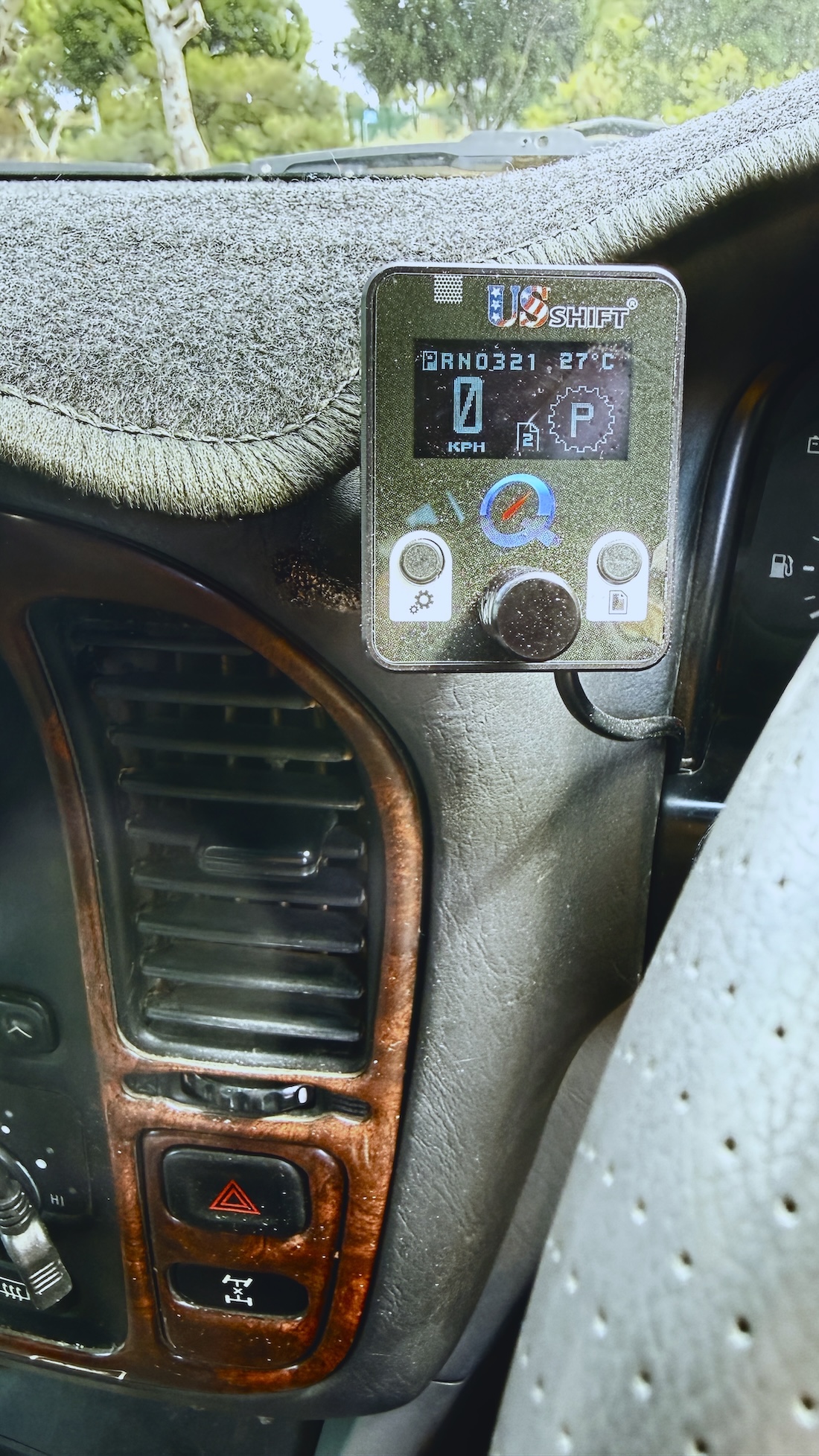
We are using the US Shift Quick6. It takes care of clutch transitions with self learning and have windows software you can download from their site to make changes to the settings and shift points with a realtime tabular interface this means with some small changes you can get it changing exactly when you want. While integrating with the ECU sounds good, we offer the ability for you or someone with a laptop to be able to tweak it, rather than needing to get it back to the expert to fix a niggling issue or make changes to shift points due to power upgrades.
Modern gearboxes use solenoids to control the flow and pressure on the clutches. There are different flow ratings on solenoids based on power input and they rate them instead of throwing away the ones they are a direct match. These are then stored into the memory of the factory ECU to compensate.
The Quick6, doesn’t care about what solenoids we use since it self calibrates by making it do a shift learn.
While the controller has an output for torque reduction on gear changes it was a bit aggressive, we have purposely not it used it for the last 2.5 year of testing for the box in our cruiser. It has 280kw and 950nm, goes hard and gets to pull the caravan and go off roading and belt through dirt trails. Built simply with Excedy stage 2 clutches, they’ve never slipped and no reason to expect it to happen either. If you want to implement torque reduction, it’s no problem.
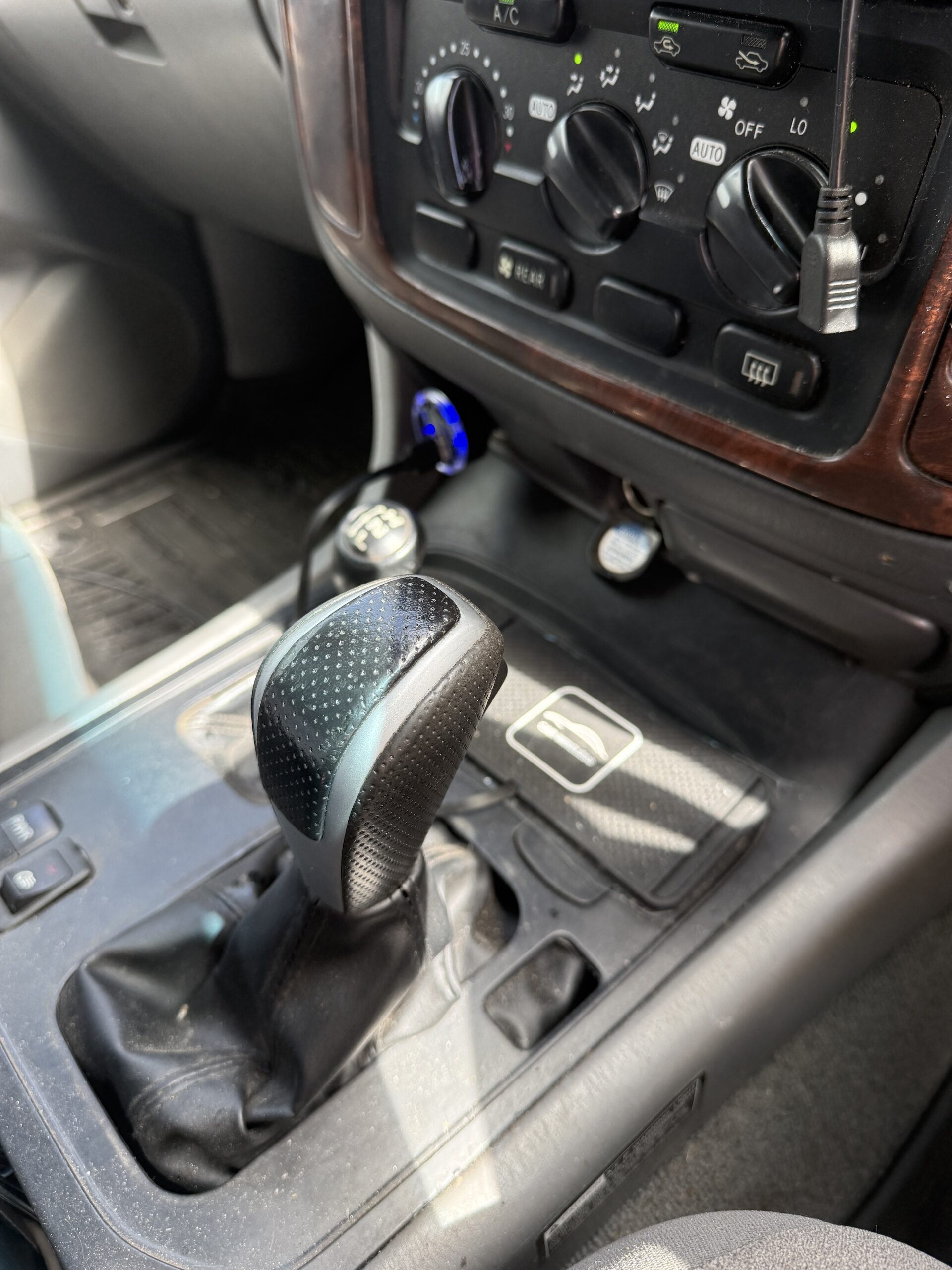
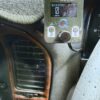
The display for the controller (with rotary dial) is small (48mm x 60mm x 9mm) and can be easily mounted for easy access.
Many other neat functions including a dyno mode and speedo output on screen plus digital feed to send to combination meter.
Transmission Cooling.
Also we run the large transmission cooler and ½” lines. This has been mounted on the front of the PDI intercooler, but can be mounted in the same location (just further back), if you don’t have a PDI front mounted intercooler.
We did run without the Ford transmission thermostat initially but found it practically impossible to get to operating temperature. Basically, it gets to temperature and stays there.
What inputs are needed to make it work?
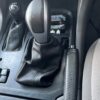
We need a TPS (throttle position) input and RPM plus power feeds and then need to connect a starter motor relay for Park and Neutral starting only. This means the HDJ100 factory (non cable) cruise control won’t work and an aftermarket system (such autronics) can be installed and use the factory stalk. On a FTE converted 105 the FZJ105 cruise control (cable) system has been made to pull on the pedal itself and therefore works correctly. If you have a mechanical system like the 1HDFT engine then you will need the TPS mounted on the injection pump.
What can it handle?
From information out of the USA, we are confident the standard box will suitable for 370hp/280kW at the wheels and 900nm. This makes a very quick cruiser and will be faster than higher hp/torque cruisers on the road.
What about the 400hp option?
This is a well-trod path in the USA for the fast Mustangs etc that are punching out over 1000hp and parts are readily available in Australia. Since in the diesels we need to think about torque, we would use the same considerations for a 400-450hp diesel build. This would be stage2 clutches, billet internals for some components.
Excedy stage 2 clutches offer a 40% increase in clutch surface area, these will be impossible to slip with correct line pressure. If purchased as an upgraded box, the surface area increase will be more than 50%
Upgraded intermediate shaft.
Upgraded planetary set.
What else is needed?
Tail shaft lengths will need to be adjusted. We figure it will be more cost effective to have your own shaft lengths adjusted than supplying new (and then modified) units.
Engine is to be fitted with original auto sandwich plate, flex plate and balancer. Bolts that go through flex plate into torque converter are also required.
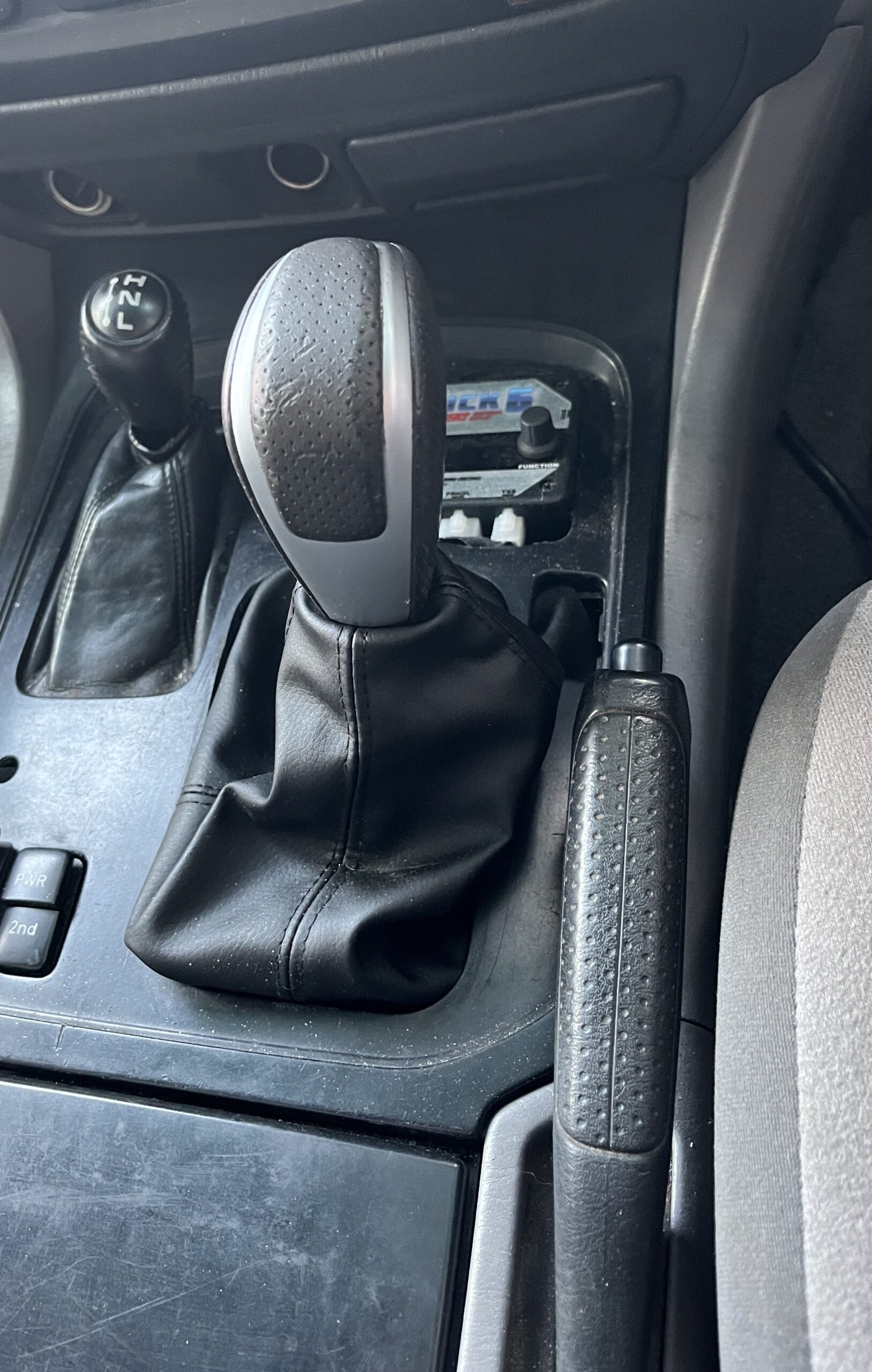
We have floor plates designed for the 100/105 auto (4 or 5 speed floor plan) and for the manual floor pan. If changing from a manual you will need to locate the transfer lever and linkages from an auto
This is designed to use the gearbox crossmember in the auto location. This is 80mm further back than the manual location. If installing into a manual body, modified crossmember is the best way to deal with this, due to inner support brackets welded to the chassis and threads installed inside chassis for manual or auto.
HDJ100 with 1HD-FTE A750 (five-speed auto transmission) ratios are:
First: 3.520:1
Second: 2.042:1
Third: 1.400:1
Fourth: 1.000:1
Fifth: 0.716:1
Reverse: 3.224:1
Final drive ratio: 3.909:1
HDJ100 with 1HD-FTE H151 (five-speed manual transmission) ratios are:
First: 4.081:1
Second: 2.294:1
Third: 1.490:1
Fourth: 1.000:1
Fifth: 0.881:1
Reverse: 4.313:1
6R80 Ford 6 speed auto ratios are:
First: 4.171:1
Second: 2.340:1
Third: 1.521:1
Fourth: 1.143:1
Fifth: 0.867:1
Sixth: 0.691:1